Every business day, thousands of sensitive files travel across digital highways in plain view of prying eyes. The gateway that processes incoming and outgoing messages stands as the primary barrier against information leakage and unauthorized access attempts.
Implementing robust protective measures at this critical junction reduces organizational vulnerability and maintains stakeholder confidence in operational integrity. Effective email security stands as the foundational element of any comprehensive data protection framework.
Strengthening authentication protocols:
Verifying sender identities eliminates the possibility of impersonation attacks that frequently initiate data breaches. Domain-based authentication standards require rigorous validation checks for every message attempting to enter the organizational network. These verification processes block forged addresses and reject messages from unverified sources automatically. Establishing strict authentication policies creates an immediate filter that stops malicious communications before they reach employee inboxes.
Deploying content filtering mechanisms:
Intelligent scanning systems examine each message for sensitive information patterns that indicate potential data leakage. These filters recognize credit card numbers, personal identification details, and proprietary business information embedded within message bodies or attachments. Automated rules trigger alerts or block transmissions entirely when detecting unauthorized data movements. Setting precise filtering parameters enables organizations to maintain control over information flows without disrupting legitimate business communications.
Implementing attachment scanning protocols:
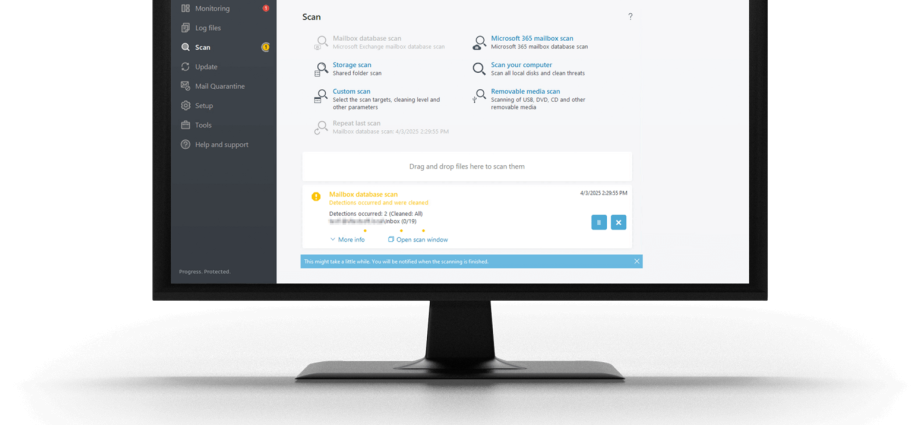
File attachments represent the most common vector for data exfiltration attempts and malware delivery methods. Advanced scanning technologies analyze every attached file for malicious code, unusual encryption, or suspicious formatting anomalies. These systems execute files in isolated environments to observe behavior before allowing delivery to recipient inboxes. Regular updates to scanning definitions ensure protection against emerging threats and novel attack techniques.
Establishing outbound inspection rules:
Monitoring outgoing communications proves equally important as screening incoming messages for potential threats. Outbound inspection policies flag unusual data volumes, unexpected recipients, or abnormal sending patterns that suggest compromised accounts. These rules prevent employees from accidentally sharing confidential information with unauthorized external parties. Customized policies accommodate different departmental requirements while maintaining consistent protection across the entire organization.
Enforcing access control measures:
Limiting gateway access to authorized personnel reduces internal misuse opportunities and external exploitation risks. Role-based permissions ensure employees only interact with gateway features relevant to their specific job functions. Regular access reviews identify and revoke unnecessary privileges that accumulate over time. Multi-layer authentication requirements add additional verification steps for administrative actions affecting gateway configurations or security settings.