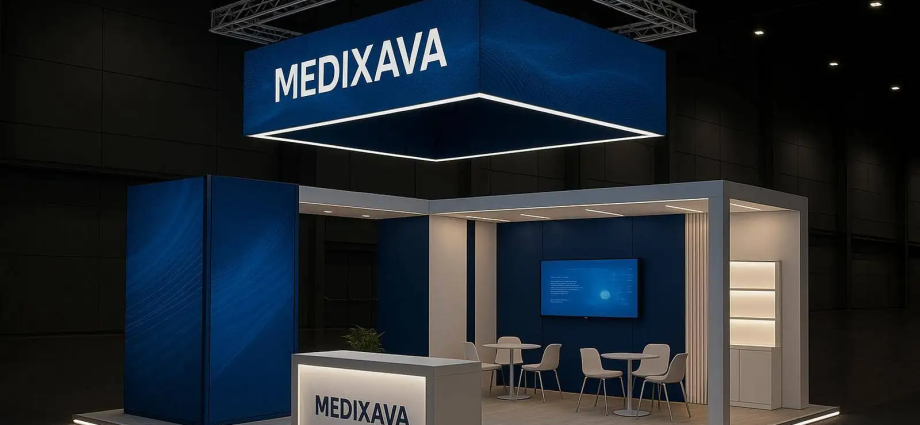
Big displays catch every eye in a crowded hall. But what holds them steady and bold? The answer lies in clever construction tricks. A reliable exhibition stand design company UAE builds these structures with hidden strength and smart geometry, turning simple materials into stable, eye-catching forms.
Triangulated frame cores:
Triangles stop wobbling. Builders place steel or aluminium triangles inside walls and support columns. This shape spreads pressure evenly. A flat square can twist, but a triangle stays rigid. You see a smooth exterior, while inside, these tiny triangles hold the whole display firm.
Interlocking joint systems:
Ordinary screws loosen over time. Professional crews use custom interlocking connectors. Each piece clicks into another with a tight grip. No shaking, no slipping. This method also speeds up assembly. Workers lock sections like building bricks, creating a solid block that stands steady for days.
Low-profile ballast bases:
Wide displays need bottom weight. Designers hide dense steel plates inside low floor channels. These bases keep tall walls from tipping. Visitors walk near edges without any worry. The extra weight stays hidden, yet every corner remains planted on the ground.
Tensioned fabric skins:
Lightweight fabric stretches over aluminium frames. The fabric gets pulled tight from all sides. This tension creates a drum-like surface that resists wind from passing crowds. No ripples, no sagging. The result is a smooth, clean look that also adds structural stability to the frame underneath.
Modular hub-and-spoke layouts:
Large displays break into smaller connected pods. A central strong column acts as the hub. Arms (spokes) reach out to satellite sections. Each pod supports the others. If one corner gets bumped, the whole system absorbs the push. This layout also makes transport and storage simpler.
Layered skin-and-bone engineering:
Every display has a skeleton (bone) and outer layer (skin). The bone uses thick metal tubes. The skin attaches with flexible clips. Between them, a small gap absorbs vibrations. Crowds leaning or brushing past won’t move the main frame. The outer layer can even swap colours without disturbing the inner structure.
These methods turn ordinary materials into stable, impressive displays. Next time you see a towering booth, look closer. The real art is invisible.